It’s too late.
That phrase rolls off the tongue easily. Quietly. Sometimes with resignation, sometimes with justification. It’s too late to change. Too late to say something. Too late to try again. Too late to dream. Too late to matter.
But more often than not, “it’s too late” isn’t a truth. It’s a surrender.
We tell ourselves it’s too late not because the moment is gone, but because we’re afraid the next one might not go how we want it to. “Too late” is easier than “I’m scared.” It sounds more final, more rational, more grown-up. But it’s almost always a lie.
The truth is: it’s never too late. Not really.
It’s never too late to say I’m sorry. Or I love you. Or I forgive you. Never too late to get curious again. To take your first real breath of the day. Never too late to break the loop you’ve been stuck in, or redraw the map you’ve been following blindly. Never too late to start over. Or to start from where you are.
We confuse timing with value. We believe that if something didn’t happen on time, it has no worth. But some of the most beautiful things in life aren’t timely. They’re late arrivals. They take the long road. They show up disheveled, unexpected, at the wrong gate, just when you’ve given up looking. And yet, they’re the ones that change everything.
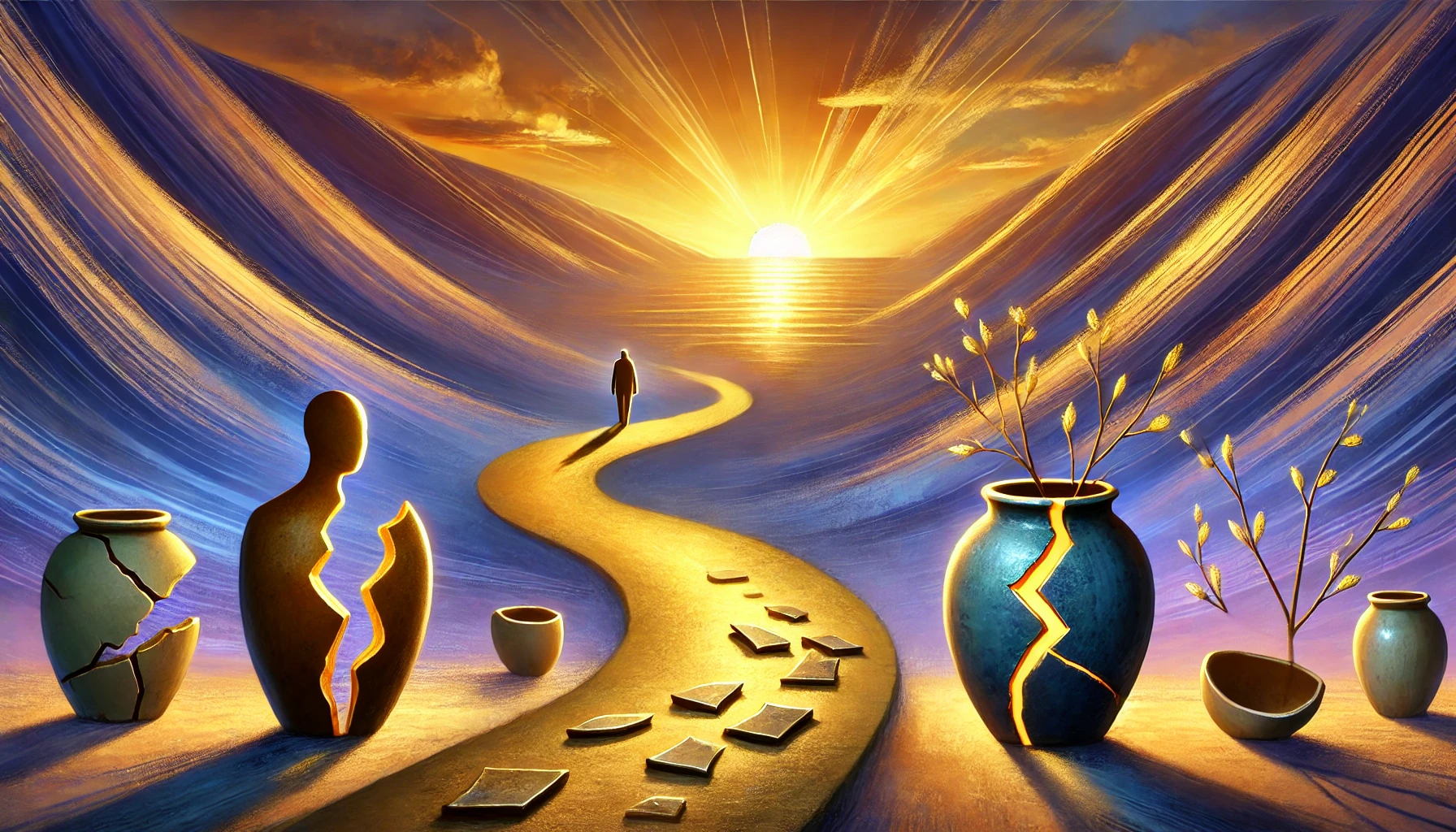
There’s a Japanese concept called kintsugi – the art of repairing broken pottery with gold. The idea isn’t just about fixing. It’s about honoring the history of a piece. The cracks aren’t hidden. They’re illuminated. What was once broken becomes more valuable than before. That’s what happens when we stop seeing ourselves or our choices as damaged by time and start seeing them as seasoned, softened, and shaped by it.
In management, we often teach the importance of timing. Market timing. Project timelines. Strategic windows. But people aren’t products and healing isn’t a quarterly deliverable. Some of the best leaders I’ve known started over in their 40s or 50s or 60s – not because they planned to, but because something finally clicked. They didn’t let a calendar define their capacity to grow.
And in life, the idea of “too late” is often social, not personal. It’s not really you that thinks it’s too late – it’s what you think others will think. By 30, I should have. By 40, I must. By 50, it’s over. There’s no shortage of imaginary timelines we inherit. And each one makes us feel just a little more behind, even when we’re ahead of where we’ve ever been before.
But here’s the question worth asking: What if we stopped measuring ourselves against time, and started measuring time against meaning?
Because it’s not about whether it’s late. It’s about whether it matters.
It’s not too late to write that book. Or open that café. Or tell your kid that you’re proud of them. Not too late to leave the job that’s draining you. Not too late to make peace with your younger self. Not too late to show up for the life you quietly wish you had been living all along.
I’ve worked with founders starting their first venture in their 60s. I’ve seen mentors become students again. I’ve witnessed people who lost everything begin again with nothing but grace and grit. And I’ve had my own moments where I thought a door had shut forever – only to find it slightly ajar if I was just willing to try the handle one more time.
We live in a world that rewards urgency. Move fast. Break things. Scale now. But not everything of value comes from speed. Some things are built slowly. Quietly. Carefully. Over time. And some of the most meaningful things come after the rush has passed.
So no, it’s not too late. Even if you’re tired. Even if you’ve failed before. Even if the story didn’t go how you thought it would. The story isn’t over.
Don’t say it’s too late. Don’t mean it. Don’t believe it.
Because as long as you’re breathing, becoming is still on the table. And everything that matters most – connection, courage, contribution – doesn’t expire with age. They ripen with it.
And maybe that’s the real lesson: that time isn’t something we run out of. It’s something we grow into.