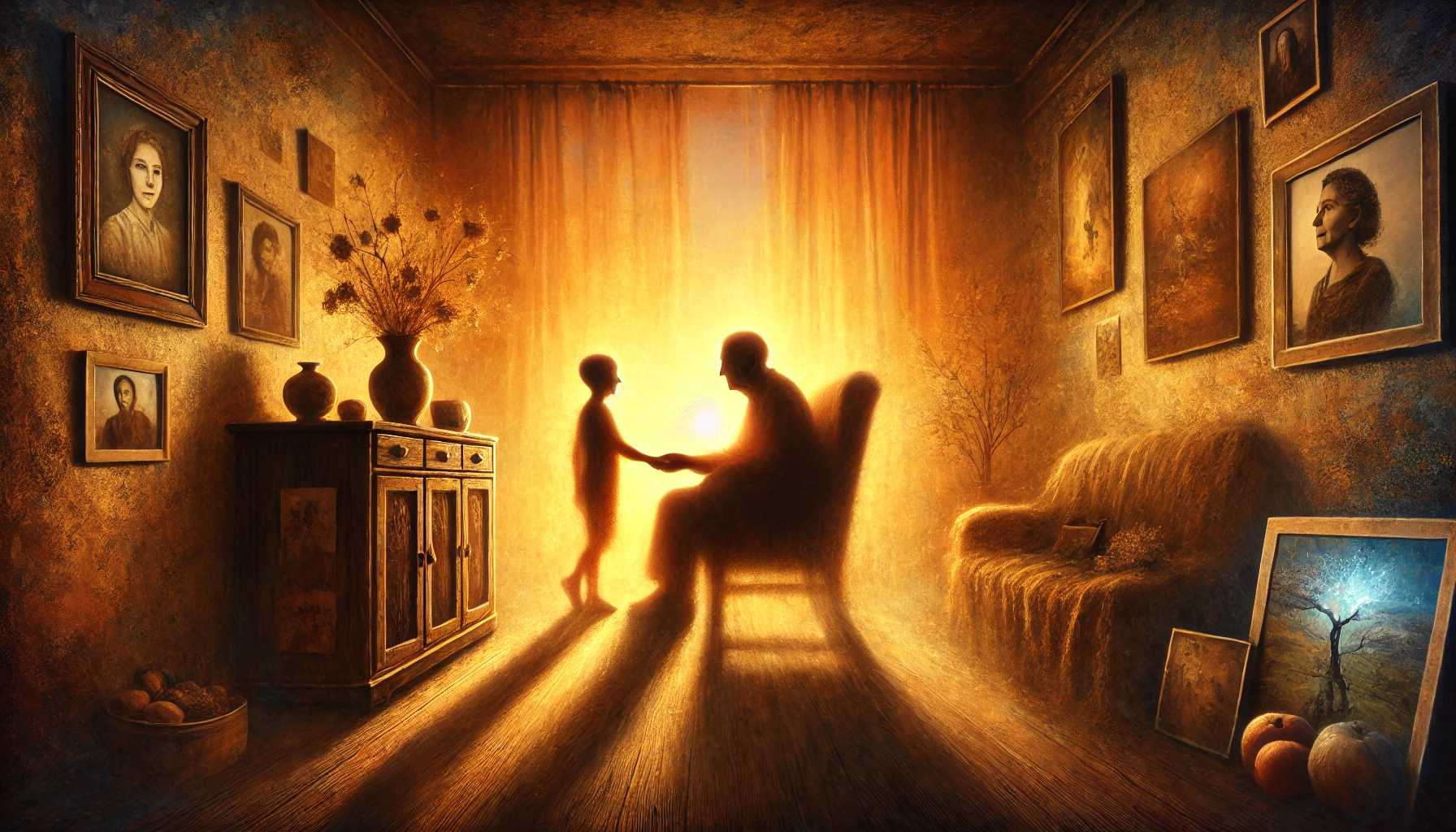
There comes a moment – sometimes all at once, sometimes gradually – when the roles begin to reverse.
The ones who once steadied our bikes now reach for our arms as they navigate a curb. The ones who waited up through our teenage nights now fall asleep mid-sentence on the couch. The voices that thundered across dinner tables now soften, occasionally uncertain, often repeating the same story you’ve heard three times already this week.
It’s tempting to rush them.
To correct, to clean up, to streamline their lives the way we do everything else. We live in an age of optimization – of tidying up, moving fast, and cutting away what feels inefficient. But the final chapter of a life is not a place for optimization. It is a place for honour.
The furniture that looks outdated and impractical to you? It holds memories. The creaky wooden cabinet you want to replace? It’s where they kept your birthday cards and school drawings. That threadbare armchair in the corner? It’s not just a seat – it’s a small sanctuary. When you tear away these objects, you’re not just discarding things. You’re tearing pages out of a story they are still telling themselves.
Let them tell that story.
Let them repeat the same anecdote again and again. And respond each time like it’s the first. Because that’s what they did when you came home from school every day with a slightly different version of the same playground adventure. Let them win the argument, even when they’re wrong. Let them finish the sentence, even if it takes longer than your patience allows. Because this isn’t about efficiency. This is about love doing what love does best – staying present.
There’s a quiet courage in aging. A humility in asking for help. A deep, often unspoken fear of becoming invisible. That’s why the smallest gestures – listening closely, calling often, not rushing the phone call, not dismissing the fourth telling of the same memory – they matter. They affirm. They say, “You are still seen. You are still heard.“
And yes, they will make mistakes. They will forget names, misplace keys, mix up medications. And as much as you may want to protect them, you must also let them be. Mistakes are human. They allowed yours without turning their love into judgment. It’s your turn now to extend the same grace.
This is the last stretch of their journey. And while it may not look like the grand beginning of yours, it deserves the same reverence. The same wide-eyed attention. The same patient holding of hands, not to teach them how to walk – but to walk with them, slowly, gently, without hurry.
Because this isn’t about reciprocating debt. It’s about honouring devotion. They didn’t raise you expecting repayment. But there is a kind of symmetry that life asks of us. A poetic rhythm that nudges us to slow down for those who once slowed down their entire world for us.
Let them live. On their terms. In their rhythm. Among their memories. Let them laugh with friends, tell long-winded stories to grandchildren, nap in the middle of the day, cry over old songs. Let them be soft, stubborn, sentimental, or silent – just as they let you be everything you were, once.
And as their hands begin to tremble, hold them. Not out of obligation, but out of reverence. Because those hands once held your world together. And now, in this quiet chapter, it’s your turn to make sure they never feel like they are slowly being erased from theirs.
This is the essence of dignity. Not control, not correction, not containment. But love – slow, attentive, imperfect, and present. The kind of love that listens instead of fixing. That holds space instead of hurrying it along.
Let them live. And make that living full.